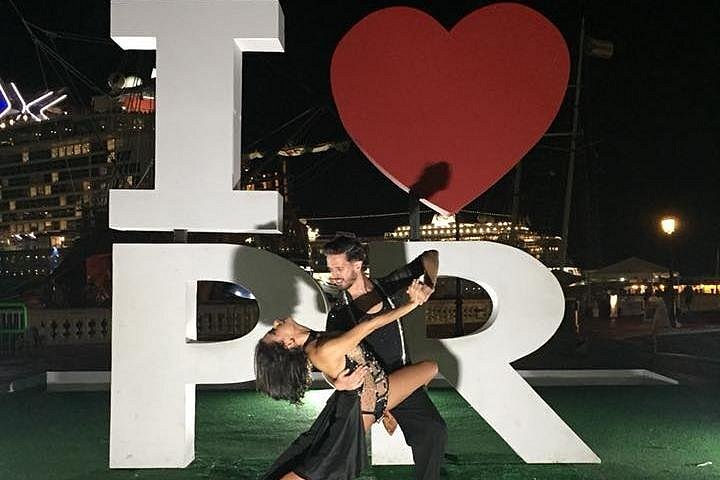
You will hear "salsa is Cuban" and "salsa is Puerto Rican" in the same week from different people. Both are partly right. The honest answer is that salsa as a genre was created in 1960s/70s New York by Cuban and Puerto Rican immigrants together — and Puerto Rico took it deep, made it political, and gave the world some of its biggest voices. Here is the short version every traveler should know before stepping on a San Juan floor.
The quick answer
- Origins: Cuban son montuno + mambo + cha-cha-cha, mixed with Puerto Rican plena and bomba.
- Born: 1960s-70s New York, primarily Puerto Rican and Cuban barrios.
- Codified by: Fania Records (label), Fania All-Stars (band), Hector Lavoe, Willie Colón, Celia Cruz, Ruben Blades.
- Brought home: Puerto Rico turned it into the island's musical identity through El Gran Combo, Sonora Ponceña, and later Marc Anthony, La India.
Why not Cuba
Cuba gave the world son, mambo, and cha-cha-cha — the structural ingredients of what became salsa. But by the time Cuban music was being recombined into "salsa" as a commercial label in late-60s New York, the US embargo had largely cut Cuba off from American music markets. Puerto Rican-Americans in the Bronx and East Harlem were the carriers. So Cuba invented the DNA, but salsa as a named genre emerged outside Cuba.
Why Puerto Rico owns it now
Puerto Rican artists adopted the genre with such intensity in the 70s and 80s that the world started associating salsa with Puerto Rico more than Cuba. Hector Lavoe (Ponce-born) became the genre's defining voice. El Gran Combo (founded San Juan 1962) is still active, still selling out shows. Sonora Ponceña, Ismael Rivera, Cheo Feliciano — all foundational. Puerto Rico did not invent salsa, but it became its capital.
Five tracks that explain everything
- Hector Lavoe — "El Cantante" (1978). The genre's anthem. Lavoe's tragic biography sits behind every note.
- El Gran Combo — "Y No Hago Más Na'" (1983). Pure island energy. Half the wedding parties on the island will play this.
- Ruben Blades — "Pedro Navaja" (1978). Salsa as storytelling. 7-minute urban novella in song form.
- Celia Cruz — "La Vida Es Un Carnaval" (1998). Late-career Celia, accessible entry point.
- Marc Anthony — "Vivir Mi Vida" (2013). Modern salsa, still on every speaker in every San Juan bar.
Salsa vs the other PR genres
You will hear in San Juan: salsa (this article), bachata (Dominican origin, slower, more romantic), merengue (Dominican, fast, 2/4 time), reggaeton (PR-born in the 90s, modern dominant), bomba and plena (Afro-Puerto Rican folk roots, deeper than salsa). All play on the same dance floors, often in the same night. Salsa is the elder genre with the most international fluency.
Why this matters for your dance class
Understanding the genre's history changes how you hear the music in class. The 1-2-3, 5-6-7 count is not arbitrary — it traces back to clave, the underlying Afro-Cuban rhythm structure. When the song shifts mid-bridge and the rhythm changes feel, you are hearing the older son montuno bones poking through the modern arrangement. Knowing this is not required, but it helps you stop counting and start listening.
Bottom line: salsa is the sound of Caribbean cities — primarily Puerto Rican, deeply Cuban-rooted, born in New York. Five centuries of mixing in three minutes of music. You will hear it everywhere in San Juan because the island made it its own.