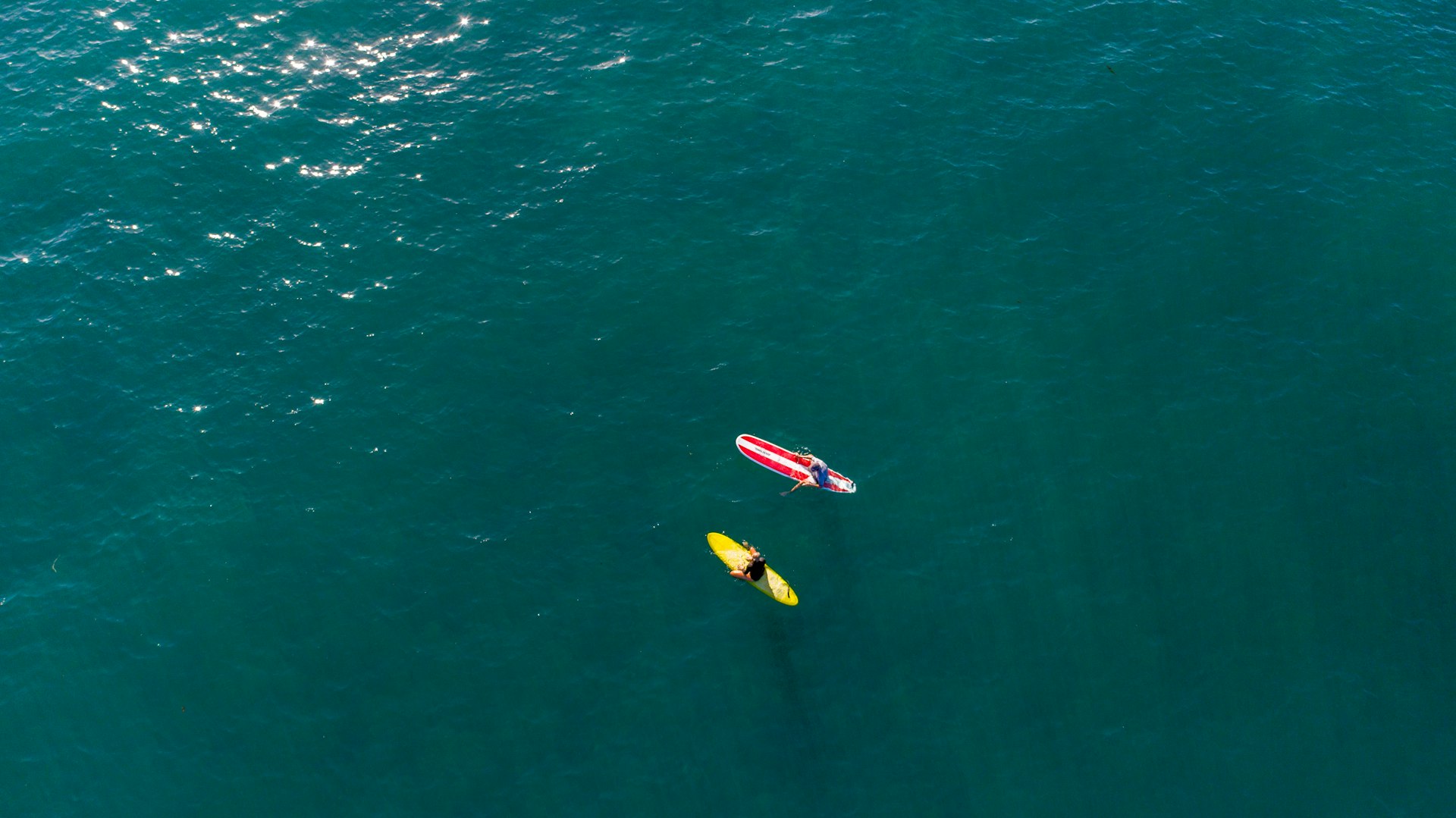
Puerto Rico is the kind of island where you can wake up in Old San Juan, grab a coffee, and be in the water with a longboard before lunch. Most visitors don’t realise how accessible the surf is here — and how varied. This guide walks through the basics: where to go, when to go, what to expect, and how a Puerto Rico itinerary can include surf without giving up everything else the island offers.
Why Puerto Rico is a top surf destination
Puerto Rico sits at the eastern edge of the Caribbean, which means it picks up swells from two different oceans. The north and west coasts receive Atlantic winter swells (October to April), the kind that built Rincón’s reputation as the "Hawaii of the Atlantic." The south and east coasts stay calmer year-round and become beginner-friendly classrooms during the same months when the north is firing. Add warm water (75–85°F all year), tropical climate, and zero need for a wetsuit, and you get one of the most welcoming destinations to learn or progress.
Beginner-friendly spots near San Juan
- La Pared (Luquillo, ~45 min east of San Juan): a sheltered, sandy-bottom beach break that is the classic first-session spot for visitors. Surf schools operate here year-round.
- Aviones (Piñones, ~15 min east of San Juan): a popular local longboard wave with mellow rollers on small days. Convenient if you are staying in Old San Juan or Condado.
- Isla Verde / Pine Grove (~10 min from Carolina): a softer, sandbar beach break that works well for first-timers on small swells.
- Domes Beach (Rincón, ~2h 30m drive): when you are ready to graduate, the west coast is where Puerto Rican surf culture lives. Domes is approachable on smaller days; Maria’s and Sandy Beach sit a level up.
Across the island
Beyond San Juan, Puerto Rico offers a dense network of spots, each with its own character. Aguadilla (the northwest tip) has Crash Boat, Wilderness, and Surfer’s Beach — a mix of beach breaks and reef points. Isabela sits between Aguadilla and Rincón with Jobos Beach, a beginner-to-intermediate sandbar that works most of the winter season. Vega Baja on the north coast hosts a handful of less-crowded spots if you have a rental car. The point is: a one-week stay can easily include three or four different beach days without repeating the same break twice.
When to go: the season matters
The big-wave season runs roughly from October to April. December and January typically deliver the strongest north and west swells; serious surfers and contest organisers target this window. From May through September, the Atlantic side calms down — which is excellent news for beginners: the same spots that overwhelm a first-timer in January are perfect introductions in June. Summer also means smaller crowds, warmer water, and longer days. If you are travelling specifically to learn, May to September is the sweet spot.
Your first session: what to expect
A typical introductory lesson runs 90 minutes to two hours. The first 15–20 minutes happen on the sand: how the board floats, how to pop up, where to look. Then you paddle out — most beginner schools start in waist-deep whitewater, with an instructor pushing you into broken waves. Expect to stand up (briefly) within your first session if conditions are right. Expect to be tired: paddling uses muscles you do not use for anything else. A second lesson the next day, when your shoulders remember the motion, is when most people actually surf their first unbroken wave.
Safety basics
- Rip currents are the main hazard at sandy beach breaks. They look like calmer channels of water heading offshore. If caught: stay calm, do not fight the current — paddle parallel to the beach until you are out of it, then back in.
- Reef and rocks matter on the west coast (Maria’s, Tres Palmas). Reef shoes help; reading the lineup helps more. Ask a local school for a spot match to your level.
- Sun is brutal on the water surface. Reef-safe sunscreen (zinc-based) is the right choice in many marine areas of Puerto Rico, and your skin will thank you regardless. A long-sleeve rashguard is ideal.
- Lineup etiquette: the surfer closest to the peak has priority. Do not drop in. Smile, say "buenos días," respect locals. The vibe in Puerto Rico is generally welcoming if you show respect.
How Casa Venturas fits in
Puerto Rico rewards travellers who give it more than a weekend. The surf is one piece of a wider story that includes the rainforest, the islands offshore, the food, the music, and the people. Start with one beginner session — at La Pared, at Aviones, or wherever the conditions point — and let the rest of the island unfold from there.