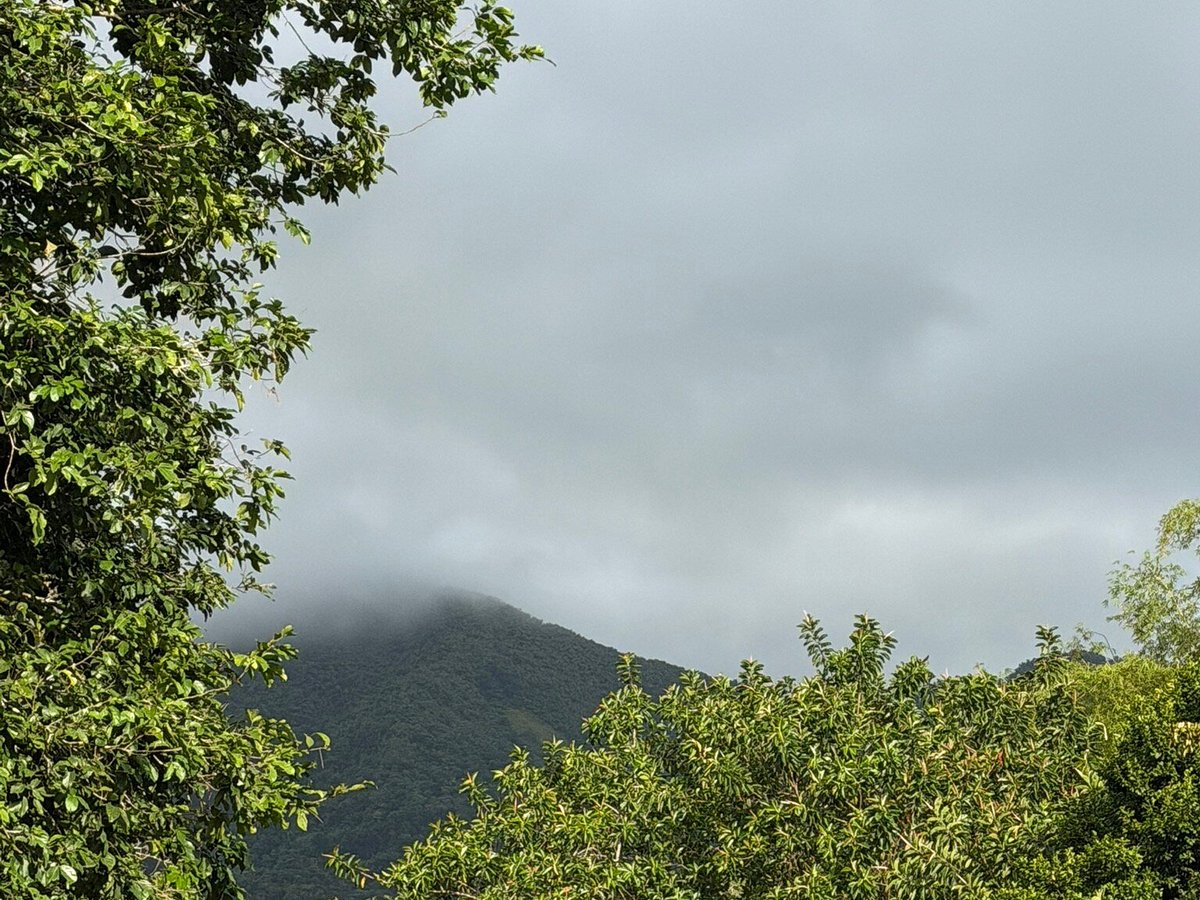
El Yunque National Forest is the only tropical rainforest in the US National Forest System, and it rains there roughly 200 billion gallons per year. That is the point — rain is what keeps the waterfalls flowing, the coquí frogs singing, and the canopy dense. So the question is not "when does it stop raining" (it does not) but "when does it rain in a way that fits my trip?"
The quick answer
For most travelers, December through April is the sweet spot: less daily rain, lower humidity, fewer mosquitoes, and the waterfalls still flow strong from the wet season. The trade-off: these are peak tourist months, so book early.
Dry vs wet season (relatively)
- Drier months (Dec-Apr): cooler, less humid, shorter afternoon showers, easier trail footing.
- Wetter months (May-Nov): heavier downpours, denser foliage, stronger waterfalls, more mosquitoes. Hurricane season technically runs June-Nov, peak risk August-October.
Month-by-month
- January-February: coolest months (22-28°C), drier, iconic "postcard" El Yunque conditions. Busy with US winter escapees.
- March-April: warming up, spring break crowds (esp. late March), excellent tour conditions.
- May: transitional, warming, rain picking up. Good value shoulder month.
- June-July: summer, wetter, buzzier with Puerto Rican families on vacation.
- August-September: peak hurricane season. Tours still run most days, but check the forecast. Heavy afternoon rain is common.
- October-November: hurricane risk declining, rain tapering, fewer crowds, lush forest.
- December: dry season starting, holiday crowds last 2 weeks. Book 3+ weeks out.
The hurricane season reality
Hurricane season June-November sounds scary but most of the time it just means more afternoon rain. Real hurricane events affecting travel are rare (Maria 2017 and Fiona 2022 were outliers). We monitor the weather daily in the 7 days before your tour and cancel with full refund or free rebooking if conditions are genuinely unsafe — never out of "just in case."
Mosquito truth
Mosquitoes are most active August-October. Outside those months, they are present but not overwhelming. Bring DEET-based repellent regardless — the rainforest floor is their habitat. Zika transmission in Puerto Rico has been effectively near-zero for years, but standard protection is still sensible.
What to bring based on season
- All seasons: water shoes or old sneakers, dry bag, waterproof phone case, change of clothes, DEET repellent.
- Drier months (Dec-Apr): add a light fleece for the morning — the canopy shade can feel cool at 400m elevation.
- Wetter months (May-Nov): add a lightweight rain shell. Not a full rain suit — you will get wet anyway. The shell is for when you stop at a lookout and the wind cools you off.
Bottom line: there is no "bad" time to visit El Yunque if you come prepared. The forest has character in every month. If you have flexibility, aim for January-April; if your calendar is fixed, come anyway and embrace whatever the sky gives you.